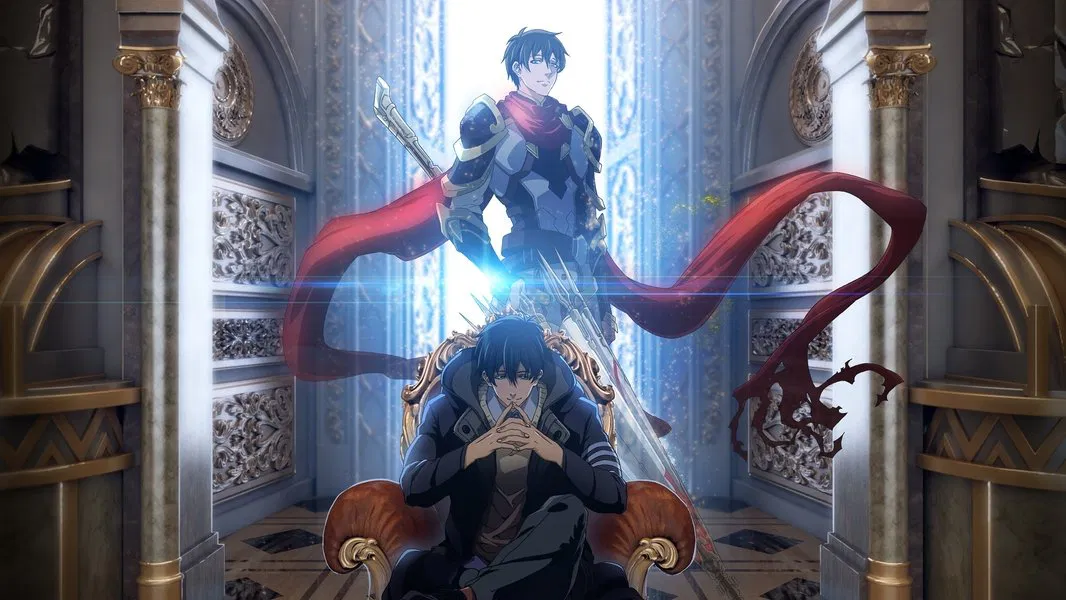

When Tencent Penguin Pictures and Colored Pencil Animation launched The King’s Avatar series in 2017, expectations were modest. Chinese animation was evolving quickly at the time, yet few projects had managed to capture the energy of modern youth culture in a way that felt both authentic and cinematic.
The King’s Avatar changed that landscape almost overnight. Its mix of grounded competition, charismatic characters and a deep respect for the craft of professional gaming caught viewers by surprise. What began as an adaptation of a popular web novel soon became a foundational piece of contemporary Chinese animation.
Story Overview
At the center of the story is Ye Xiu, a seasoned Glory player whose skill earned him the title of Battle God. After a quiet and almost uncomfortable departure from his old team, he slips into an unassuming life in an internet cafe. From this humble place, he prepares his return to the competitive world he helped create.
Ye Xiu does not race toward redemption. Instead, he moves with calm purpose, gathering a group of overlooked talents and guiding them toward the intense pressure of league play. The series uses this journey to explore both the realistic atmosphere of training halls, stadiums and long practice nights and the stylized inner world of the Glory game itself, where strategy becomes art and battles echo the emotional weight of real contests.
Themes and Emotional Core
The King’s Avatar becomes most powerful when it focuses on what drives people to pursue excellence. Ye Xiu does not need public recognition. His motivation comes from the joy of mastery and the belief that competition can shape character. Around him, younger players struggle with confidence, impatience, ego and the fear of failure.
The story turns these personal battles into its emotional center. It suggests that passion requires sacrifice and that talent alone cannot carry a player through the relentless rhythm of professional gaming. Friendship, mentorship and the quiet dignity of starting again give the series a warm humanity that contrasts beautifully with the fast-paced world it portrays.
Visuals and Animation Quality
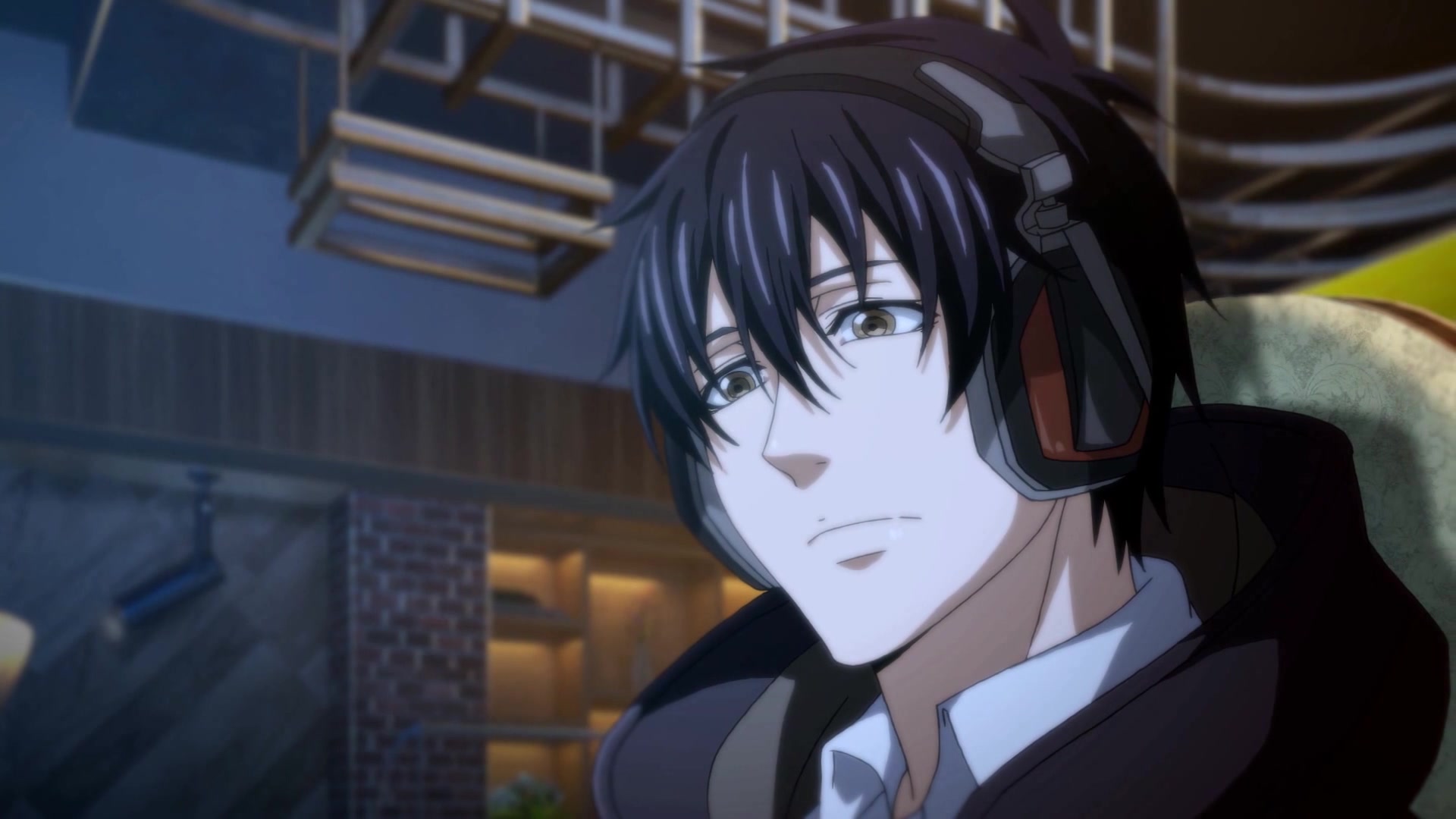
One of the lasting pleasures of The King’s Avatar is the way it bridges realism and spectacle. Real-world scenes focus on subtle expression, controlled lighting, and a sleek modern style that reflects the contemporary eSports industry. The animated world of Glory feels like a vivid extension of that reality. Characters move with clarity even in the most complex team fights. Abilities bloom across the screen with bright color and rhythmic timing. The Prequel film refined this vision even further, delivering athletic choreography and set pieces that feel almost musical in their precision. The result is an animation style that feels respectful to both gaming culture and visual storytelling at the same time.
Cultural Significance
While the series does not draw from ancient myths, it represents a new cultural moment for China. The King’s Avatar acknowledges gaming as a serious craft that demands the same dedication as traditional sports. It celebrates a generation raised in internet cafes and online communities, a generation whose heroes compete not on martial arts stages but in digital arenas that require strategy, cooperation and extraordinary reflexes.
In its own way, the series mirrors the themes found in classic Chinese tales of cultivation and mastery. The tools have changed, but the values remain familiar. This makes the show a cultural bridge between tradition and the digital age.
Production Details and Studio Insights
Behind the scenes, the production involved extensive consultation with eSports enthusiasts and game analysts who helped the team recreate the rhythm of real competition. The directors and producers often spoke about their intention to capture the emotional truth of the profession rather than reduce it to stereotypes.
Over multiple seasons, the studio refined its models, improved motion dynamics and experimented with expressive camera movement inside the Glory world. Each release demonstrates a clear growth in ambition, as if the team is chasing mastery in parallel with its characters.
Audience Reception and Impact
The King’s Avatar received enthusiastic support from its audience almost immediately. Viewers praised its honest portrayal of competitive life, the charm of its cast and the excitement of its in-game sequences. It sparked discussions about professionalism, teamwork and the rising visibility of eSports in China.
For many fans, the series became a source of pride, presenting gamers as disciplined and intelligent rather than frivolous. Its success encouraged other studios to take modern settings more seriously and helped establish eSports as a rich subject for storytelling. Today, the influence of The King’s Avatar can be felt across the landscape of contemporary donghua, marking it as a defining work of its era.